The Invisible Exhaustion: This is Where the Woman Who Holds Everyone Else Finally Gets to Exhale
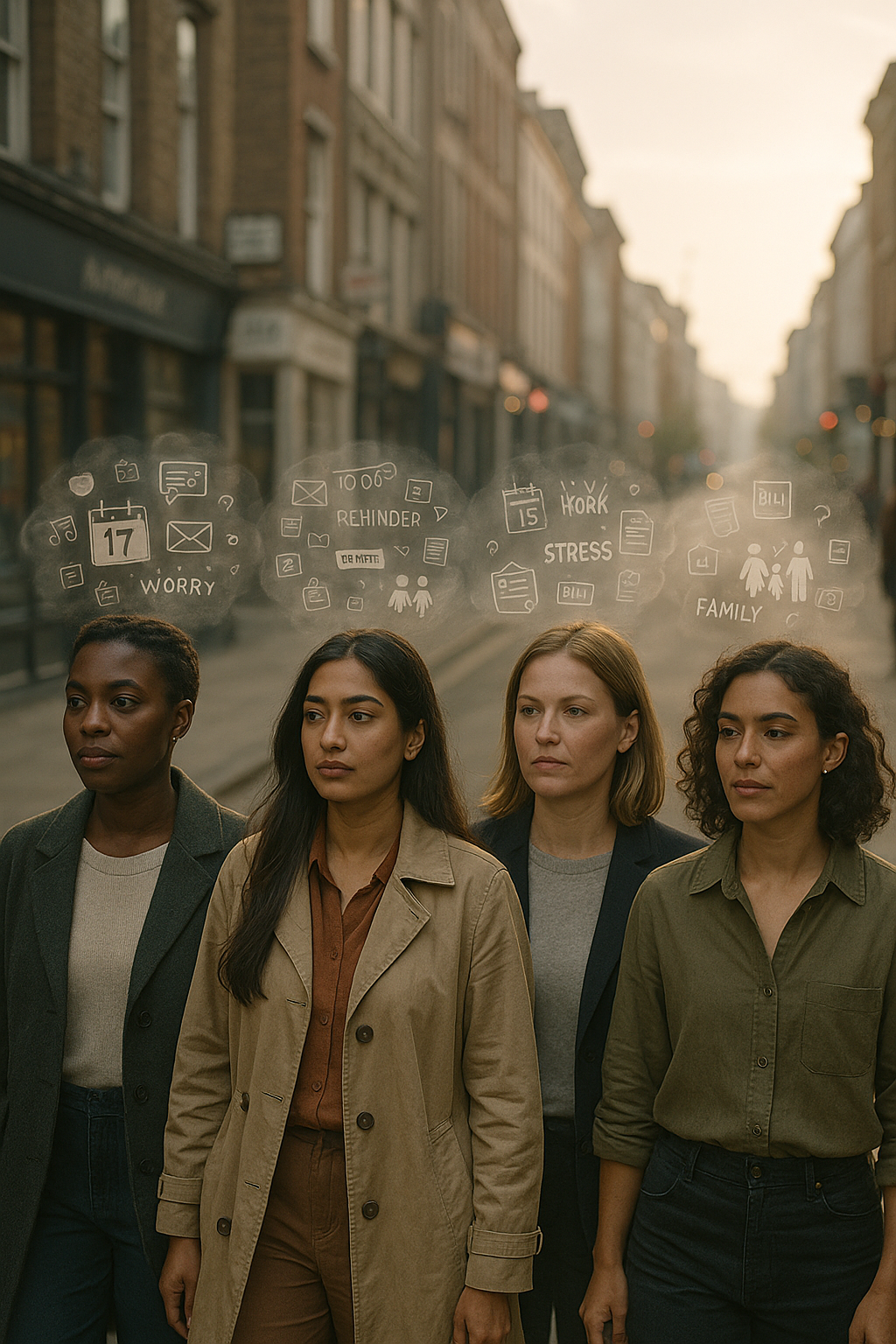
If you are a woman between 40 and 65, chances are you are the linchpin, the one who quietly keeps the wheels turning at home, at work, and within your relationships. On the outside, you look composed, capable, and strong. No one realises the sheer effort it takes to maintain that exterior, or how truly exhausted you are underneath.
This feeling of constant depletion is known as burnout, and it's increasingly common in women, especially leaders and working mothers. You are likely carrying a significant, invisible burden.
When "Ploughing On" Stops Working
Your core identity is the reliable, dependable caretaker and problem-solver; everyone leans on you. This role often involves extensive emotional labour, invisible efforts like managing team morale or providing emotional support that are rarely acknowledged or rewarded.
Faced with this immense pressure, there is a tendency to minimise your own struggle. Many women, particularly in high-performing roles, ignore early warning signs of exhaustion, leading to long-term mental fatigue. There is a persistent societal and professional pressure, often described as a 'superhero' mentality, to "plough on" and adopt a mindset to "suck it up".
However, this coping mechanism comes at a serious cost to your health and peace.
The True Weight of the Invisible Load
The effort spent constantly upholding that "capable" mask is physically and mentally taxing. This invisible burden manifests in concrete, debilitating symptoms that leave you feeling utterly disconnected and stuck in survival mode.
Chronic Exhaustion and Sleep Problems: Chronic fatigue, tension, and sleep disturbances are major struggles in this phase of life. One woman described her exhaustion meaning she only had the capacity to work and sleep, fret and worry.
Emotional Overload and Anxiety: Mental health challenges, including heightened anxiety, low mood, and increased stress, are prevalent among women, particularly those undergoing life transitions.
Cognitive Decline ("Brain Fog"): Many women report symptoms such as difficulties with concentration, memory issues, and "brain fog," noting frustration when comparing their current aptitude to their former self.
The Menopausal Transition: If you are between 40 and 65, you are likely navigating the perimenopausal or menopausal phase. Symptoms, including physical changes like tension and joint pain, can last an average of seven years and profoundly impact daily life and self-identity.
Breaking the Silence: You Don't Have to Perform Strength Here
For the woman used to coping alone, asking for help can feel terrifying. There is a deep-seated fear of appearing weak, being judged, or facing criticism. Women often "suffer in silence" because it is a topic they do not feel comfortable talking about, sometimes viewing it as "socially unacceptable" to admit they are getting older.
Furthermore, when seeking medical support, many women report being dismissed, having their concerns minimised, or their symptoms (including those related to menopause) attributed simply to stress or lifestyle factors by healthcare providers. This frustration highlights the strong need for alternative avenues for support outside clinical environments.
If You're Reading This, You've Already Tried Everything
You've already done everything "right." You've pushed through. You've managed. You've kept going when everyone else would have stopped. And you're still exhausted.
That's not failure. That's your body telling you the truth: you cannot think, organise, or willpower your way out of nervous system depletion. Your body is asking for something entirely different now.
A Different Kind of Support
You are accustomed to providing care; now, it is time for the helper to be held.
Your body is asking for nervous system relief, not more talking, emotional labour, or striving to be "on the ball". I understand that traditional talk therapy or self-help that requires more performance (more doing) isn't what you need right now.
Through Reiki, Atarah Celestial Energy Healing, and Energy Field Healing, my sessions are designed explicitly to support the woman who is privately exhausted:
You can be silent here. You don't need to explain, perform, or hold yourself up. You do not need to articulate your struggles, explain your stress, or make sense of anything. This is a quiet, safe space where your distress is understood in the context of your demanding life. Your only job is to relax and receive.
Your body finally gets to discharge the tension it's been storing. I honour your deep, secret desire for rest without explanation. Relaxation and deep breathing are recognised for their ability to improve symptoms associated with stress and menopause. My focus is on providing that essential physical and mental unwinding that helps to re-balance your nervous system. You will feel your shoulders drop, your jaw unclench, your breath deepen. This is where your body remembers it's safe to rest.
This isn't about belief, it's about giving your nervous system what it's been desperately asking for. If you are concerned about energy healing being "too woo," I understand. Your session doesn't demand belief, spiritual understanding, or even an open mind. Just your permission to stop. The physiological benefits of deep rest and nervous system regulation speak for themselves.
This is not another item on your to-do list. It is a space where you finally give yourself the permission to exhale, a necessity for genuine well-being.
Permission to Stop Holding It All
Booking a session isn't giving up. It's not weakness. It's the most rewarding thing you can do when your body is screaming for rest.
You’ve carried the weight and held everything together long enough.
This is where you – the one who holds everyone else – finally get to exhale.